One Thing Google+ Got Right
Decentralized platforms are picking up steam, and one reason I’m excited for that comes back to Google+
 Liam Spradlin
It’s no secret that I really enjoyed Google’s foray into social media while it lasted. At the height of Google+, I was writing for Android Police, and many Android dev, customization, and fan community members were hanging out there.
I won’t get into the whole narrative arc of Google+, its missteps, and how it eventually ended up closing, but suffice it to say it didn’t stick around long.
Since then, a lot has changed about social media. As I’ve written on the site, the whole concept of how social networks work is being deconstructed right before us. Maybe it’s a reaction to years of context collapse, where social sites and their associated algorithms place all kinds of content together with no way to consider or account for the emotional or discursive tenor of the whole picture. Decentralized platforms are picking up steam, and one reason I’m excited for that comes back to Google+.
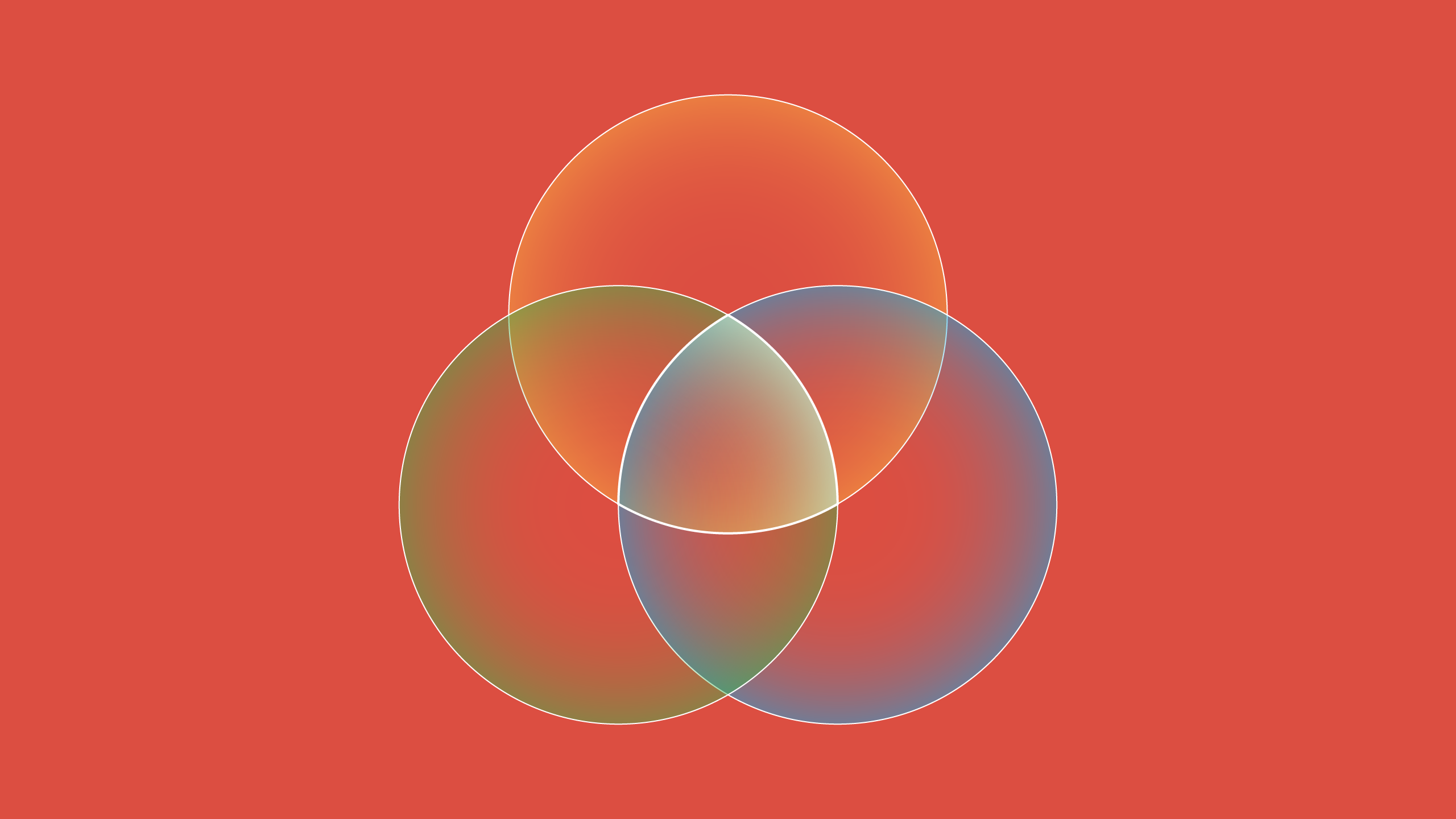
Specifically, the “circles” and “channels” concepts from G+. Circles were essentially self-constructed lists of people you followed. Some circles could be shared, letting you tap into a given community or set of news sites. But most circles were personal, allowing you to tailor who saw your content whenever you posted. Content made for a certain group, community, or location could be shared specifically with a given circle.
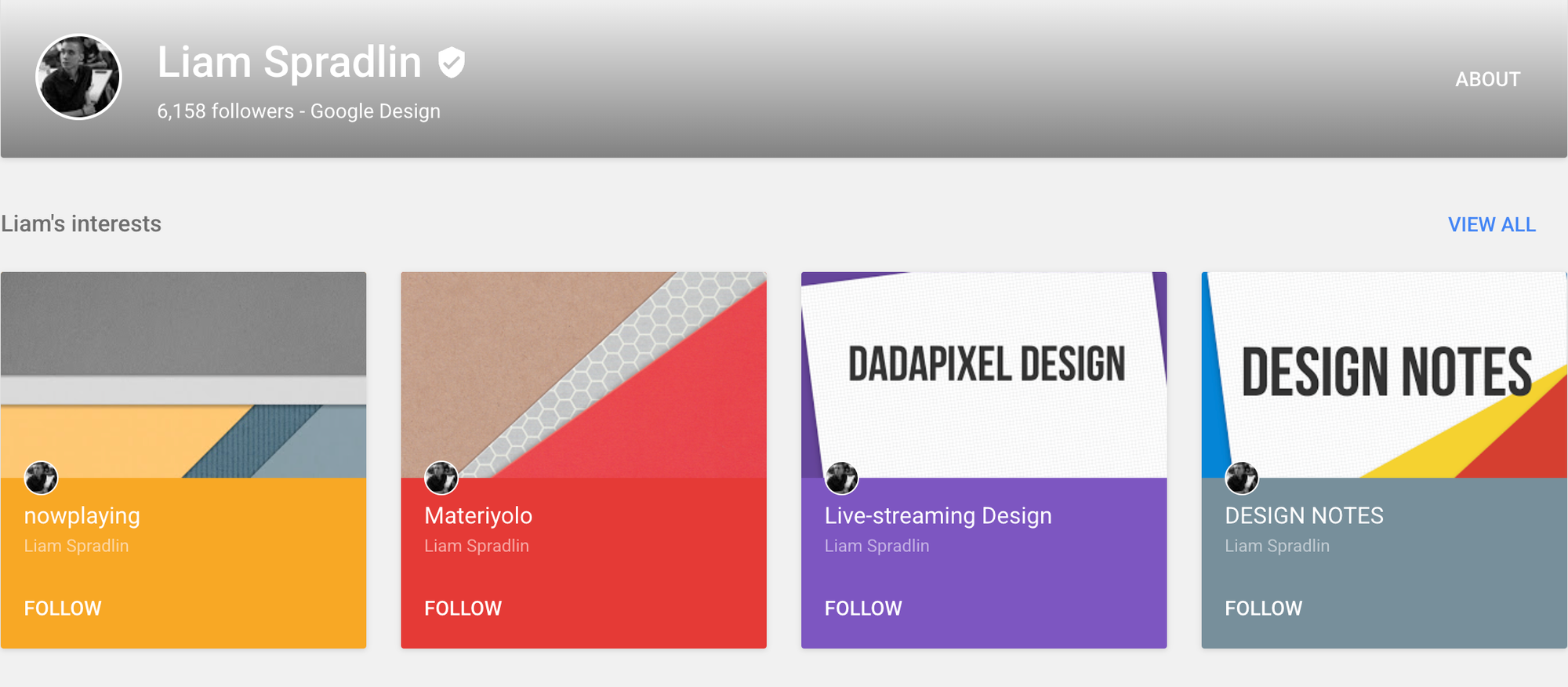
Channels were essentially a way to subdivide the content you posted into topics, letting people follow or unfollow specific topics from your feed. So if, for example, you wanted to follow me for Material Design info, you could follow that topic without following my whole account.
I think this subdivision of content made the site calmer than it may have been otherwise, combatting context collapse and helping users carry out their intention (both for their content and their scrolling experience) rather than imposing an intention on them algorithmically.