Latest
📺 Watch my I/O session on customizing Material Design
My colleague Bradley and I had the chance to film a quick session going over the upcoming customization features that will unlock broader expression using Material components.
Beyond the Text Field: Louise Macfadyen, Author of Designing AI Interfaces
Managing the conceptual distance between what AI actually does and what people imagine it can do, with Designing AI Interfaces author Louise Macfadyen
The Story of Menu_Open
How the menu_open icon got encoded in Material Components history.
A Meditation on Gardening, Design, and Information
It’s very hard to replicate the aesthetic pleasure of a moonvine on-screen. The composition suffers from a lack of texture. There’s no wind or rain inside a smartphone.
Google Sans Flex is Now on Google Fonts
Google's brand font is now open-source on Google Fonts.
Featured
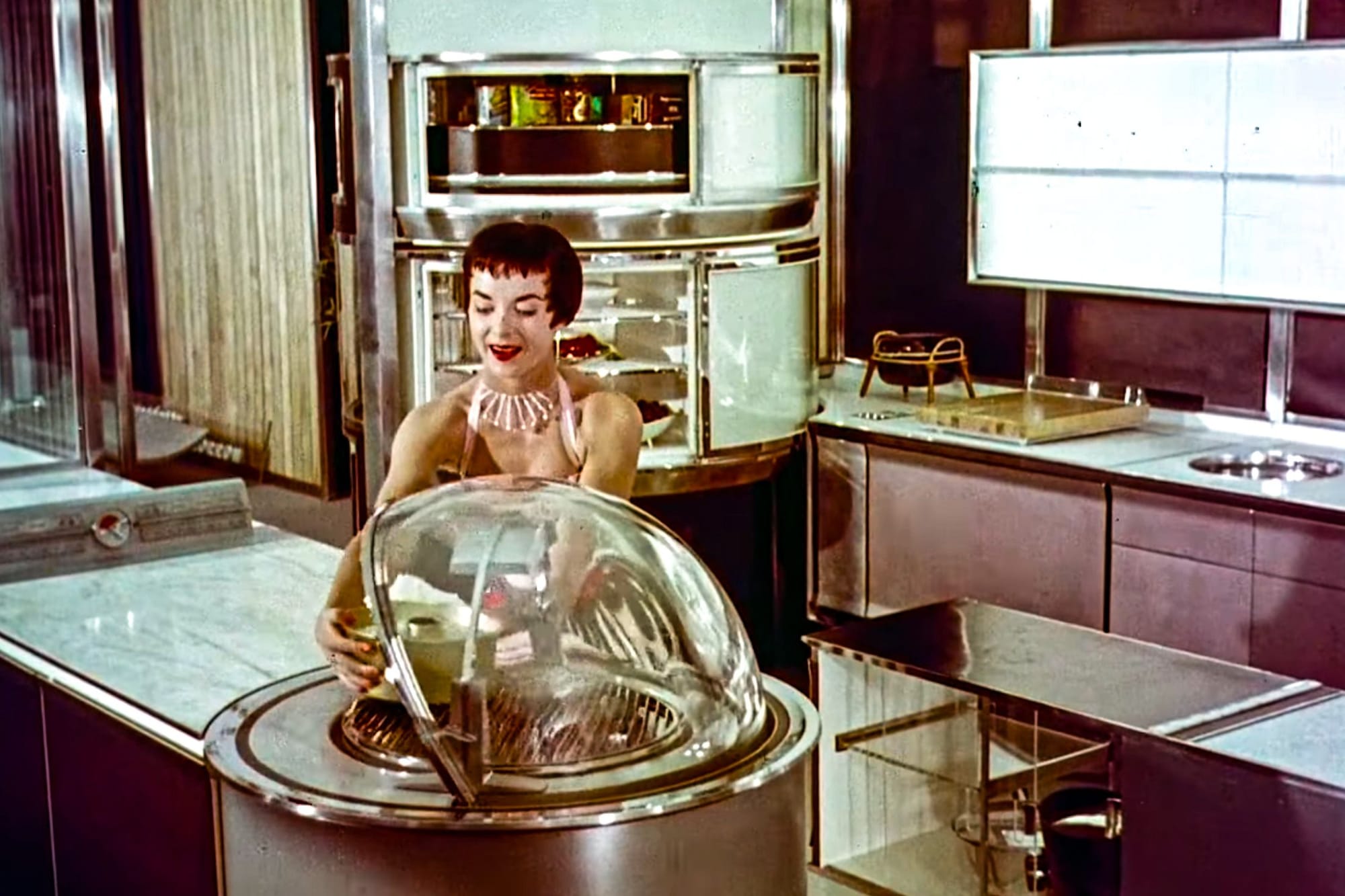
Who will taste the cherries?
In my new essay on Aeon: The computist has one dream: to debug the subjectivity out of all of human knowledge, creating a pure, frictionless world
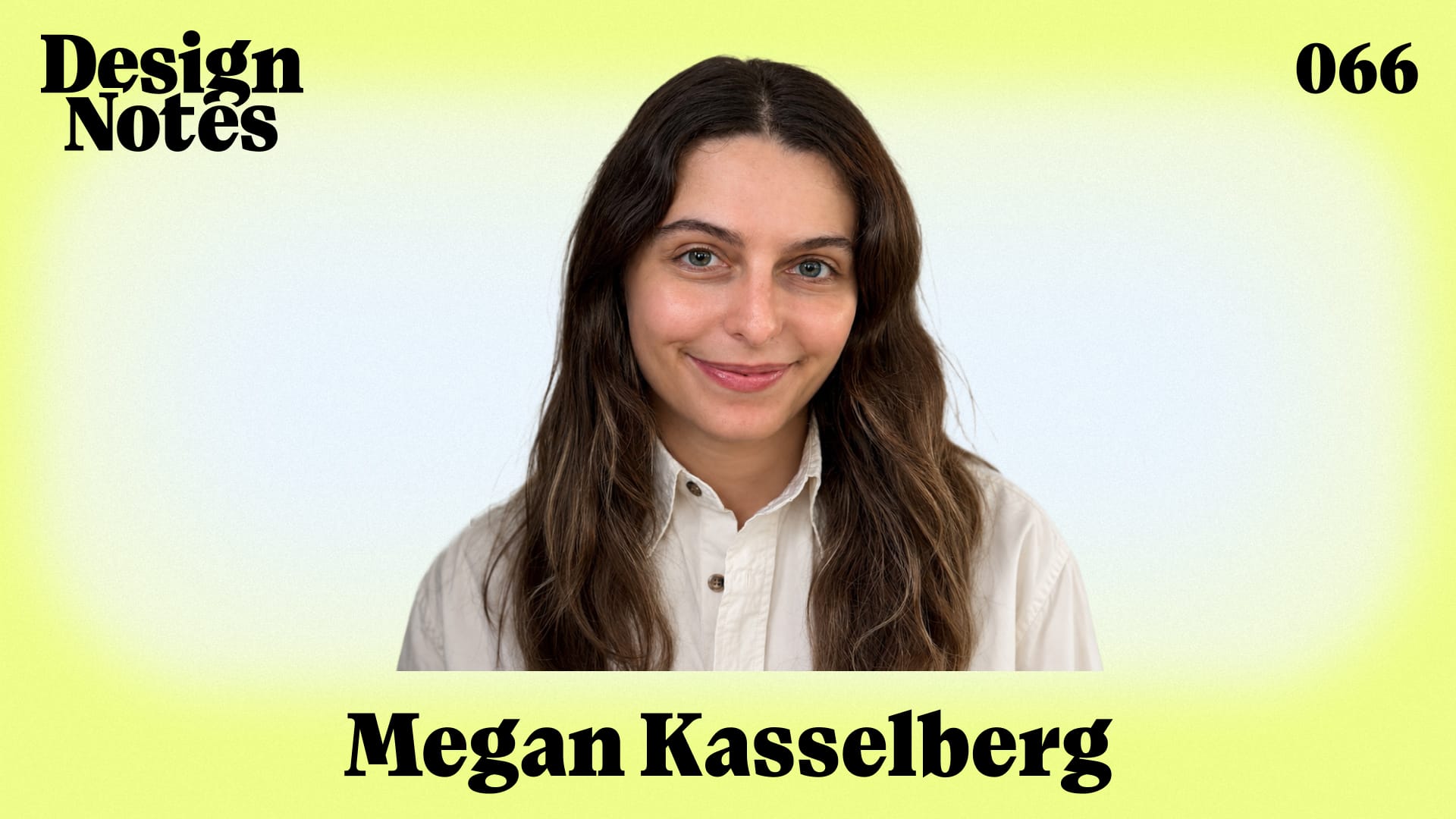
There Is No Neutral Design: Megan Kasselberg, Senior UX Writer and Content Designer, Material Design
The storytelling and strategy that goes into a design system as vast as Material Design.
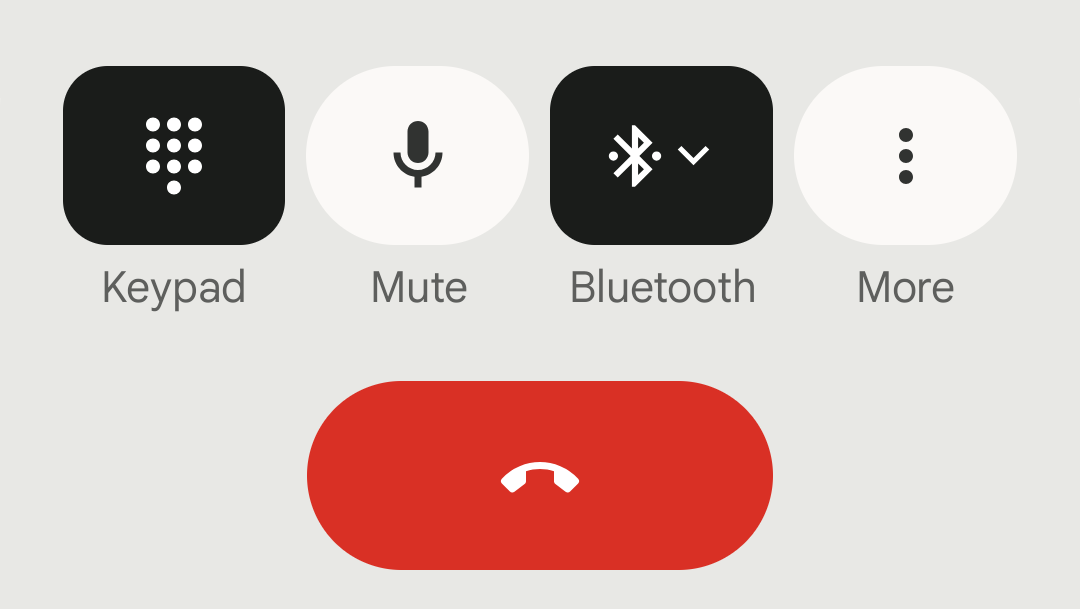
The State of Buttons
The button's complexity is a result of how flexible the concept of a button really is. It's just a region of space on screen that triggers some action.
Unpacking “Craft” in the Software Interface
The more I see craft mentioned as a power of design, the more I feel that a working definition is urgently needed.
Resources
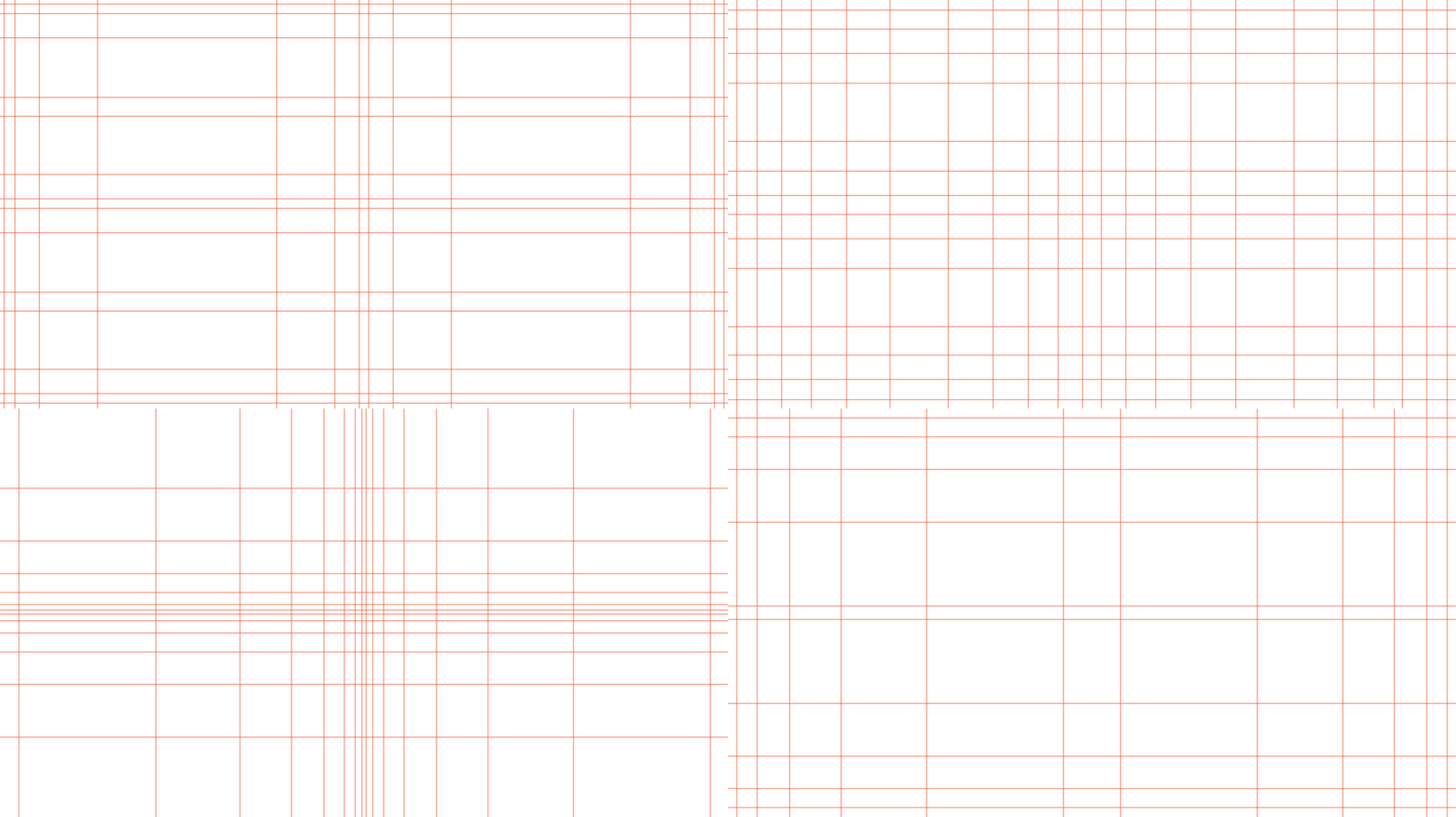
New Plugin: Ratio Rulers 📐
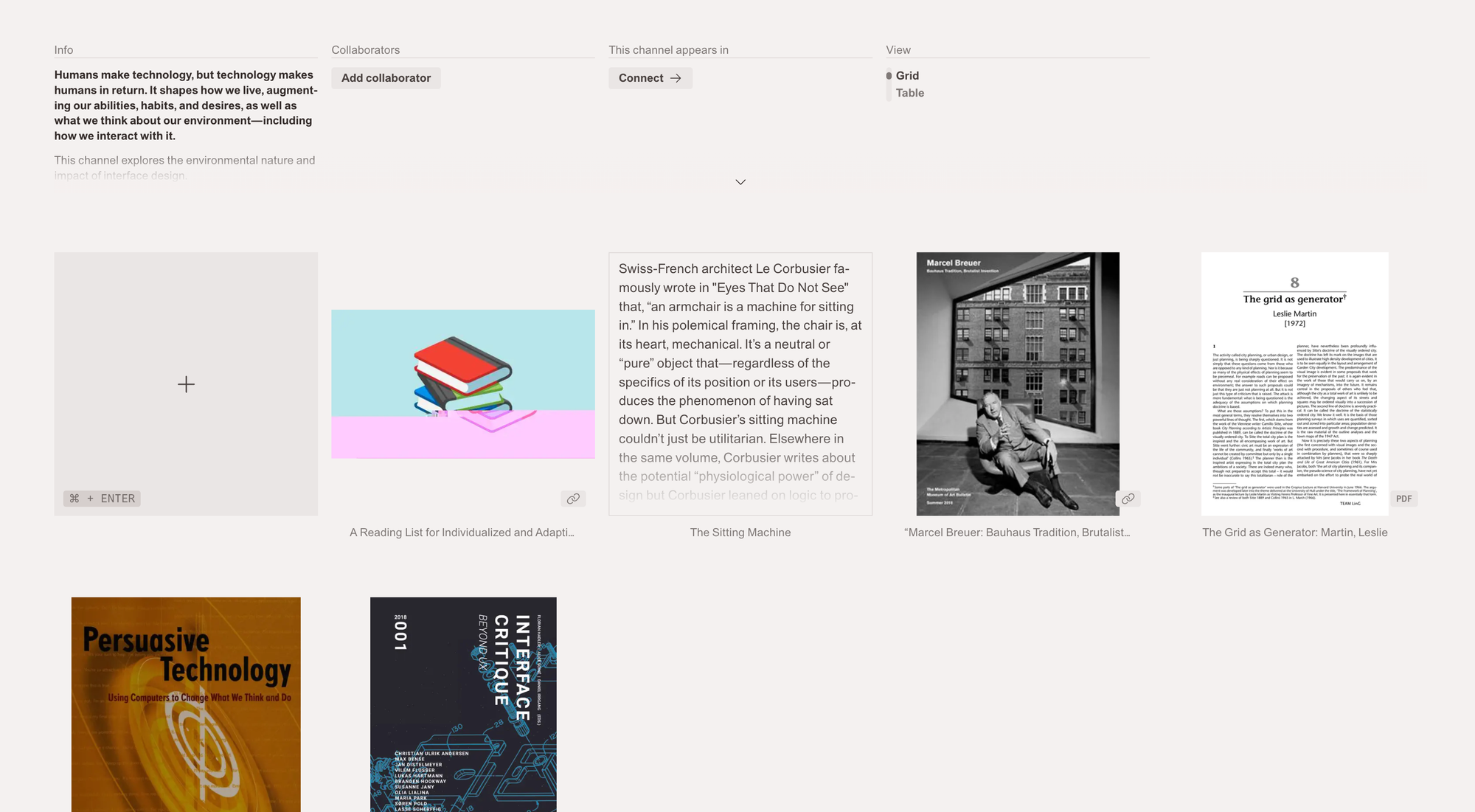
📚 Check out this new Are.na channel about the interface

A Reading List for Individualized and Adaptive Design

Doubleshot Newsletter
One shot practice, one shot theory, every two weeks.
Join hundreds of designers. No spam.
Doubleshot
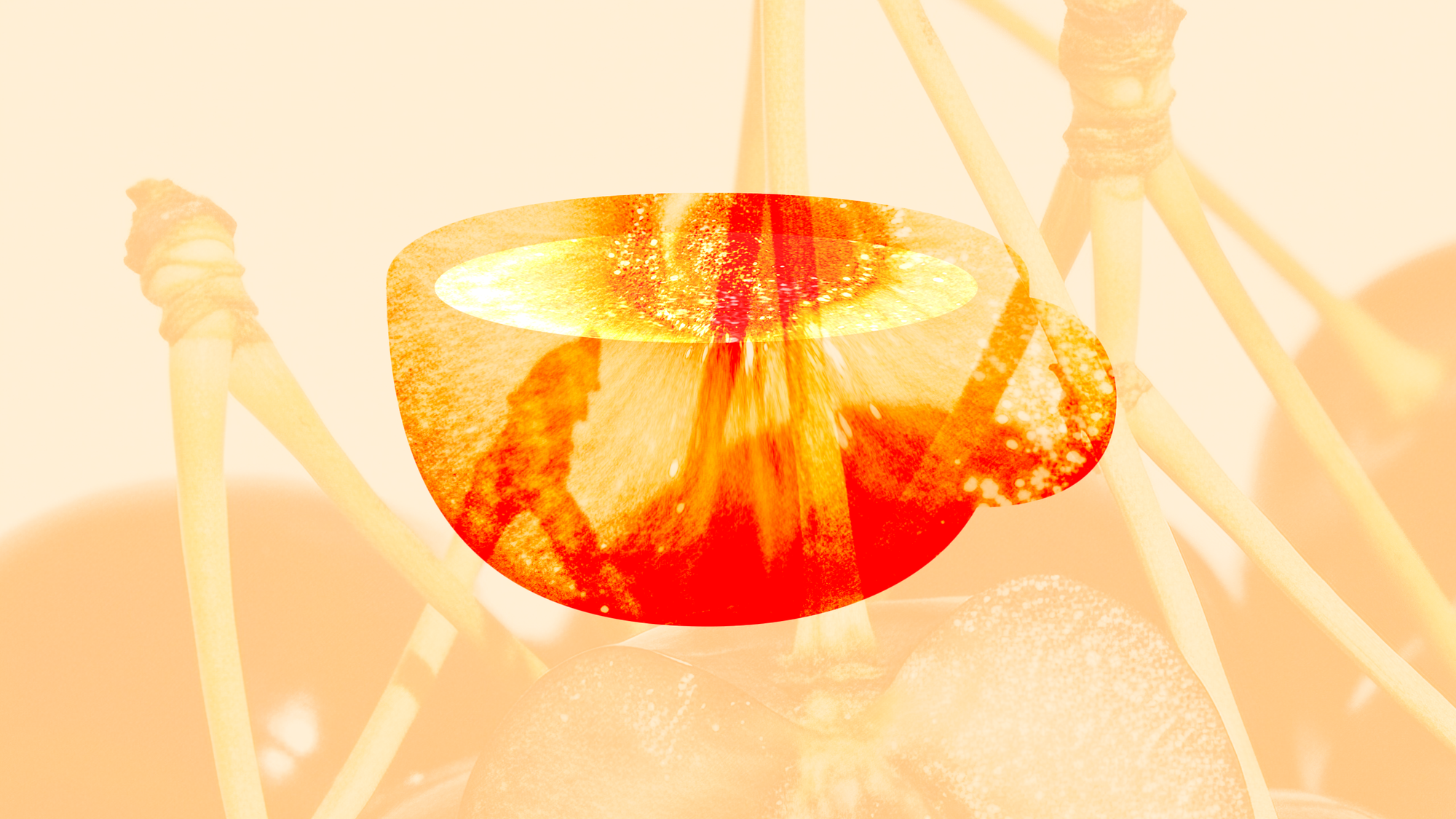
Who will taste the cherries? • Doubleshot
☕️ Interface as Environment • Doubleshot